
Enhancing Bike Rider Visibility for Safer Roads
Ensuring visibility on the road is crucial for cyclists of all ages and skill levels. Whether you're commuting through bustling city streets, navigating suburban roads, or enjoying a scenic countryside trail, being seen by other road users can make all the difference in ensuring your safety. In this guide, we’ll explore practical tips to improve bike rider visibility and delve into how it contributes to a safer riding experience.
Current Road Safety advice is for people riding bikes to wear ‘bright, light or reflective clothing’ to increase the chances that drivers will see them. But does this work?
Why Visibility Matters for Cyclists
Cyclists are among the most vulnerable road users. With less physical protection than motorists, they rely on proactive safety measures like high visibility to reduce the risk of accidents. Limited visibility is a common contributing factor in collisions involving cyclists and other road users. According to Bicycle NSW, increased awareness of bike rider visibility has the potential to save lives and prevent injuries.
Drivers may struggle to spot cyclists in dim light, inclement weather, or high-traffic environments. Poor lighting, clothing that blends into the surroundings, and a lack of reflective gear all contribute to reduced visibility. Improving your visibility ensures that drivers, pedestrians, and other cyclists can see you more easily, reducing the likelihood of collisions.
Sorry I Didn't See You
SMIDSY, the acronym for ‘Sorry Mate I Didn’t see You’, is a common experience for people who ride bikes on the road. Motorbike riders suffer the same phenomenon and this article and video explains the science of blind spots. People driving cars focus their vision on the area of the road where they expect to see other cars, and may literally not see people riding bikes.
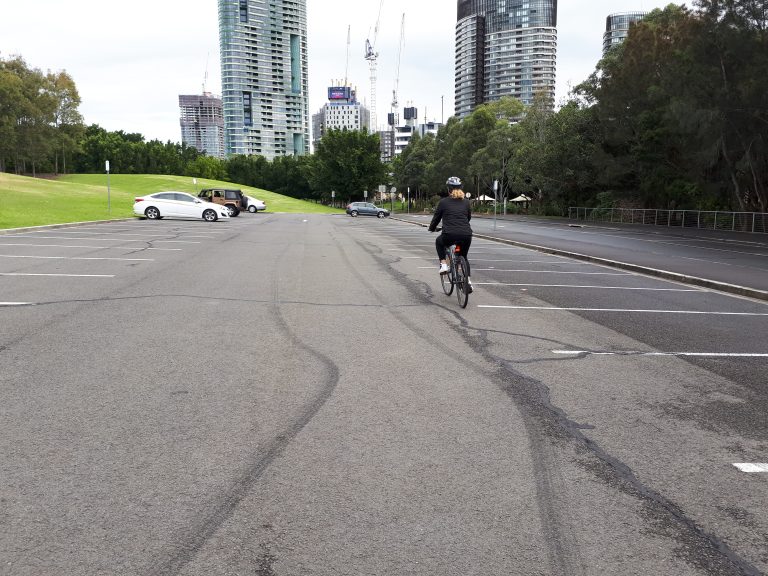
Wearing all black can make riders hard to see
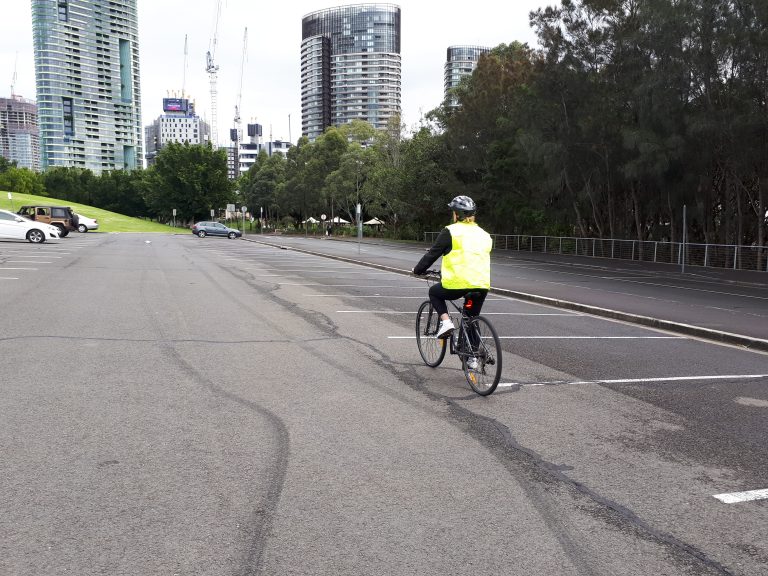
Adding a high visibility vest can help increase visibility in some environments
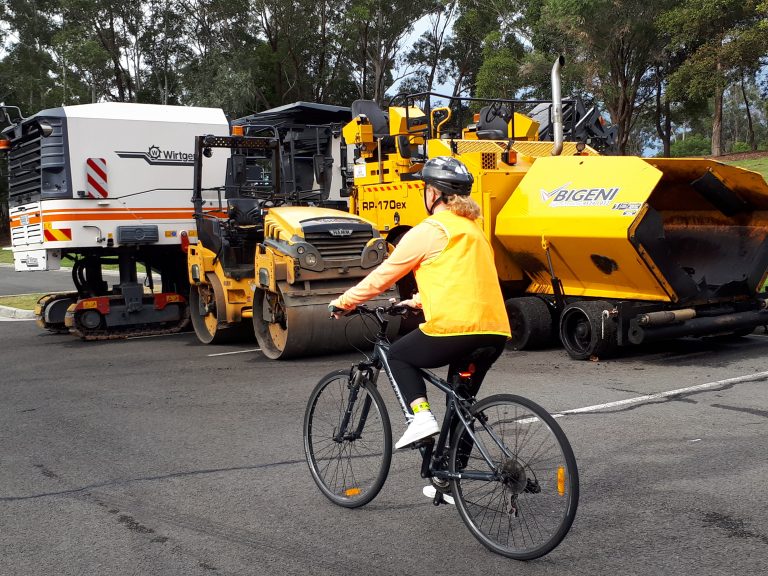
High visibility vests can also blend into their surroundings
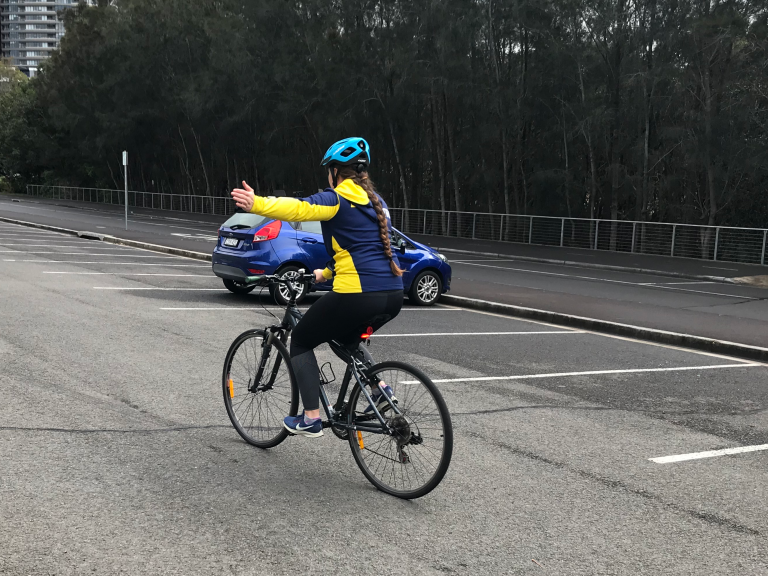
Wearing a variety of contrasting colours is best when riding
Contrast Works Better Than Colour
Transport for London Transport Research Laboratory studied visibility issues for motorbike riders. Research suggested visibility may have more to do with the contrast between the colour the rider wears and the background. For the 8% of men and 0.4% of women with poor colour vision, colour contrast may not work at all.
On ABC Radio Sydney Afternoons (23/5/2019) a caller said she appreciates the efforts riders make to be seen by wearing hi-viz vests. However hunched over the handlebars most of the driver’s view is of their buttocks clad in black lycra, and in low light or at night she struggled to see riders.
Dr Rick Tyrrell, director of the Visual Perception and Performance Lab at the University of Clemson has an insight into human vision that can help. Humans have 2 visual systems: focal vision which helps see colour, detail and recognise objects; and ambient vision that creates spatial awareness and helps move through the environment.
Bike Riders Aren't Chameleons
People riding bikes are not chameleons and can not change colour to contrast with their environment. They can become more noticeable to this ambient vision system by making the parts of their bodies that move the most apparent.
Bright colours by day and reflective strips in low light on the parts that move the most i.e. legs, feet or ankles, may make you stand out to driver better. Reflective trim on your wheels and tyres can also help at night by emphasizing the distinctive movement of a bicycle to someone driving.
"Riding a bike doesn't require special clothing, but to enhance visibility, bright and contrasting socks, ankle bands, shorts, or tights can often be more effective than a bright shirt or hi-vis vest," said Peter McLean, CEO of Bicycle NSW.
"As the days grow shorter, we urge everyone to make safety a priority by ensuring their bike lights are clearly visible at the front and back during dawn, dusk, and nighttime," said Peter.
Bright Clothing for Better Visibility
Wearing bright, reflective clothing is one of the simplest ways to increase visibility while cycling.
High-Visibility Clothing
Opt for fluorescent or brightly colored clothing during daylight hours. Colors such as neon yellow, orange, and lime green catch the eye and help you stand out against busy or cluttered backgrounds.
Reflective Gear
During dawn, dusk, or nighttime rides, reflective vests, jackets, and accessories become essential. Reflective strips on clothing bounce light back to its source, making it easier for drivers to spot you when their headlights illuminate the road.
Layer Up for Weather
Weather conditions can affect how visible you are. Rain jackets in bright colors or with reflective panels ensure visibility even in heavy downpours.
Lighting Up Your Bike
Bike lights are not just a legal requirement in New South Wales but also a critical component of safe cycling.
Front and Rear Lights
Install white front lights and red rear lights on your bike. NSW laws mandate their use from sunset to sunrise and in low-visibility conditions, such as fog or heavy rain.
- LED Lights: Invest in high-quality LED lights with good brightness and battery life.
- Flashing Modes: Many bike lights come with flashing settings, which can improve visibility by catching the attention of drivers.
Helmet-Mounted Lights
Helmet-mounted lights can be an excellent addition to your setup. These lights move with your head, offering enhanced visibility and allowing you to direct light at specific areas as needed.
Side Visibility
Don’t overlook the importance of being visible from the sides. Wheel spoke reflectors and side-mounted lights ensure that drivers approaching from side streets or intersections can see you.
Using Reflectors and Reflective Tape
Reflectors and reflective tape are cost-effective solutions for increasing visibility.
- Bike Frame Reflectors: Many bikes come equipped with built-in reflectors on the front, rear, and pedals.
- Reflective Tape: Add reflective tape to your bike’s frame, handlebars, and even your helmet for extra visibility.
- Wheel Reflectors: Wheel-mounted reflectors or reflective rim strips create eye-catching patterns when in motion, making you more noticeable to nearby road users.
Positioning on the Road
Your position on the road plays a significant role in ensuring you’re visible to other road users.
- Take the Lane: In some situations, riding in the center of the lane, rather than hugging the curb, can make you more visible and prevent cars from passing too closely. NSW laws allow cyclists to take the lane when it’s unsafe for vehicles to overtake.
- Avoid Blind Spots: Stay clear of vehicle blind spots, especially large trucks and buses. If you can’t see the driver’s mirrors, they likely can’t see you.
- Group Riding: When riding with others, stay in a consistent formation to maximise visibility and predictability for motorists.
Weather and Environmental Considerations
Weather conditions can affect how easily you’re seen on the road.
- Fog: Use brighter lights and reflectors to cut through foggy conditions.
- Rain: As road users struggle with reduced visibility, ensure your lights are on, and wear bright, weatherproof gear.
- Low Sunlight: Dawn and dusk are particularly challenging for visibility. Make use of reflective and high-visibility gear, even if it’s technically daylight.
Educating Drivers and Cyclists
Improving bike rider visibility isn’t just about what cyclists can do—it also involves raising awareness among drivers about how to safely share the road.
- Driver Education: Campaigns like those run by Bicycle NSW emphasise the importance of maintaining a safe passing distance, being vigilant for cyclists at intersections, and reducing speeds in areas where bikes are common.
- Cyclist Awareness: Cyclists should be educated about NSW road rules, including the proper use of bike lanes and their rights to the road.
Bicycle NSW’s Advocacy for Safer Cycling
Bicycle NSW is dedicated to making cycling safer and more accessible for everyone across the state. Through education, advocacy, and resources, the organisation supports cyclists in adopting practices that enhance visibility and safety.
"Ensuring cyclists are visible is a straightforward yet powerful way to make our roads safer. Through education and access to helpful resources, we can foster a secure and more aware environment for all road users," said Loni Pettett, Marketing and Communications Specialist at Bicycle NSW.
Bicycle NSW continues to advocate for:
- The development of better cycling infrastructure, such as separated bike lanes.
- Education campaigns that target both cyclists and drivers.
- Stronger legal protections for vulnerable road users.
Join Bicycle NSW and Be Part of the Change
Your visibility on the road not only keeps you safe but also inspires others to adopt similar practices. By becoming a Bicycle NSW Member, you’ll support vital initiatives aimed at making NSW roads safer for cyclists.
Benefits of Membership Include:
- Access to insurance for peace of mind while riding.
- Legal advice and support.
- Exclusive discounts on cycling gear and events.
- Resources, guides, and tips for safer cycling.
- A stronger collective voice advocating for better cycling conditions.
Sign up now at Bicycle NSW Membership and be part of the movement toward safer, more inclusive cycling in NSW. Visibility isn’t just about you—it’s about creating safer roads for all riders.
Start your journey toward better cycling safety today and help make a difference!