Join Bicycle NSW today for insurance, advocacy, support

The La Niña Cycle and Riding Safely During a Wet Summer

Riding a bicycle in wet weather can be both a challenge and an adventure. Slick roads, reduced visibility, and damp conditions require extra precautions, but with the right preparation, you can navigate the rain with confidence. From choosing the right gear to staying visible and maintaining control, wet-weather riding offers opportunities to test your skills while staying connected to the outdoors. In this article, we’ll cover essential tips and strategies to help you stay safe, comfortable, and enjoy the ride—even when the skies open up.

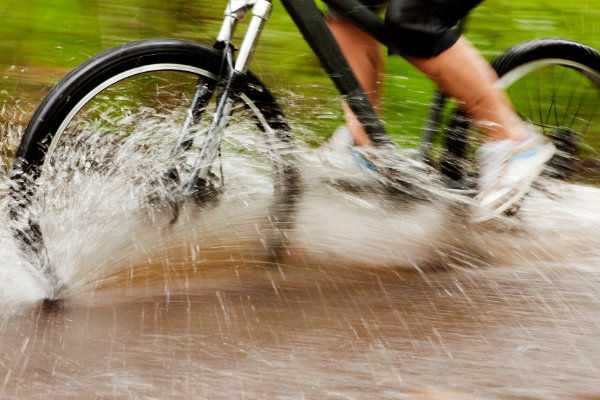
Bike Rider Cycling Through Water

La Niña cycle

Australia cycles through La Niña and El Niño periods which drives the hot and dry climates, but also the increased rainfall. Currently, the Bureau of Meteorology has declared that Australia is in a La Niña cycle which increases the chance of above average rainfall. It’s likely to continue until February 2021. 

When the last La Niña was declared back in 2010, there was widespread flooding across parts of Australia. The current conditions do not indicate a La Niña as strong as then, but we still need to keep an eye out when riding. 

Riding In Wet Weather

Firstly, keep an eye out for the current weather reports along with storm and flood warnings. Being out on your bike in a serious storm could lead to a dangerous situation. 

If there are flood warnings, we do not recommend riding in that area at all. Cars can get swept away when just 10-20cm of water is above the bottom of the chassis. Being lighter, bike riders are even more likely to be swept away by currents. 

Even if the water is not fast flowing and you think it is not deep, you don’t know what the water brought with it down stream. It is not uncommon for debris to be hidden under flood water, and heavy rain in areas where trees have been burned by recent bushfires can cause them to fall or drop branches.  Potholes can develop rapidly on roadways and paths under flood waters, which can cause major accidents for bike riders. 

If there is water across the roadway or path, do not ride or walk through it. 

Clothing and Equipment For Rain

If you are planning to ride in the rain, be sure to wear bright waterproof clothing and have lights on your bike. In wet weather conditions, visibility is reduced so it is important to make yourself as visible to other road users as you can by wearing bright coloured clothing.  

Waterproof jackets and pants are great for wet weather, and don’t forget gloves as they are important for maintaining a controlled grip of the bike. Other items, such as overshoes, cycling eyewear and a mudguard are also great to have on those wet days. 

“We want all bike riders to be prepared for what the summer rain season brings this year.  It is important to monitor the weather warnings and ride to conditions for your safety and others,” commented Kim Lavender, Bicycle NSW Communications Manager.   

Staying Safe When Riding in Wet Weather

Wet weather poses unique challenges for bike riders, from reduced visibility to slippery surfaces and hidden hazards. Here are essential safety tips for riding during La Niña’s rainy days:

  1. Keep an Eye on Weather Reports
    Before heading out, always check the latest weather updates, including storm and flood warnings. Riding in heavy storms can lead to dangerous situations, so it’s crucial to avoid heading out if conditions are severe.
  2. Avoid Floodwaters
    Never attempt to ride through water on flooded roadways or paths. Even shallow water can conceal serious hazards like debris, potholes, or uneven road surfaces, increasing the risk of crashes. Moreover, currents in floodwaters can be deceptively strong. Cars can be swept away in just 10–20cm of water, and bikes—being much lighter—are even more vulnerable.
  3. Be Wary of Post-Bushfire Areas
    Many rural and regional areas recently affected by bushfires are particularly susceptible to hazards during heavy rainfall. Burned trees can fall, branches may drop unexpectedly, and mudslides can occur on unstable, fire-damaged land.
  4. Avoid Riding in Confined or Low-Light Areas
    Reduced visibility during rain or dusk can make you harder to spot. Ensure your route is well-lit and avoid isolated areas where water may pool, causing additional hazards.

Gear Up for Rainy Rides

Investing in appropriate clothing and equipment can make riding in the rain safer and more comfortable. Here’s what every rider should have when tackling wet weather:

  • High-Visibility Waterproof Clothing: Bright-colored rain jackets and pants not only protect you from getting soaked but also increase your visibility to other road users.
  • Lights and Reflectors: Equip your bike with both front and rear lights to enhance your visibility in low-light, rainy conditions. Reflective gear is also an excellent addition to ensure you’re seen from all angles.
  • Gloves for Grip: Wet handlebars can make it difficult to maintain control of your bike, so waterproof gloves with good grip are a must.
  • Additional Accessories: Mudguards help protect you and your bike from water spray, while cycling eyewear with clear or yellow lenses can shield your eyes from rain and improve your vision in overcast conditions.
  • Overshoes and Waterproof Socks: These keep your feet warm and dry, making your ride far more comfortable.

Understanding Wet Weather Road Hazards

Riding during heavy rainfall requires heightened awareness of potential hazards:

  • Slippery Surfaces: Wet roads, painted lines, and metal surfaces such as storm drains and tram tracks become slick in the rain, increasing the likelihood of skidding. Slow down and take extra care on these surfaces.
  • Potholes: Heavy rain can cause new potholes to form rapidly. What looks like a shallow puddle could hide a deep hole capable of damaging your bike or causing a crash.
  • Hidden Debris: Floodwaters often carry debris such as tree branches, rocks, and litter, which can remain on roads and paths long after the rain stops.

The Importance of Riding to Conditions

Adapting your riding to match wet weather conditions is essential. Reduce your speed and allow more time for braking, as wet surfaces extend stopping distances. Take corners slowly to maintain traction, and avoid sudden movements that could cause your wheels to slide.

Additionally, keep a greater distance from other vehicles. Cars and trucks take longer to stop in the rain and may struggle to see you due to reduced visibility. Riding cautiously not only ensures your safety but also promotes safer interactions with other road users.

Bicycle NSW’s Commitment to Safe Riding

Bicycle NSW recognises the challenges posed by wet weather and is dedicated to helping riders stay safe during the La Niña season. "We want all bike riders to be prepared for what the summer rain season brings this year. It is important to monitor the weather warnings and ride to conditions for your safety and others," said Kim Lavender, Bicycle NSW Communications Manager.

Through education, advocacy, and resources, Bicycle NSW aims to support riders across the state. Whether you’re a daily commuter or a weekend adventurer, being informed and prepared can make all the difference.

Join Bicycle NSW and Ride Into a Safer Future

As a member of Bicycle NSW, you’ll gain access to exclusive resources, expert advice, and comprehensive insurance that keeps you covered while you ride. Your membership also supports our ongoing efforts to improve cycling conditions, advocate for safer infrastructure, and promote awareness about cycling safety.

Membership Benefits Include:

Now is the time to prepare for the challenges of a wet summer and ensure your safety on the road. Join Bicycle NSW today to become part of a supportive community dedicated to making cycling safer, more accessible, and more enjoyable for everyone.

Sign up now at Bicycle NSW Membership and make a difference. Together, we can create a brighter and safer future for all cyclists.


Safety On Spokes

This article is a part of our 2 month Safety on Spokes Campaign where we cover a range of topics to make a better environment for bike riders in NSW.


Share this post